Artificial intelligence is changing how we work, create, and run businesses.
For creative entrepreneurs, that shift presents both exciting opportunities and important questions.
Can AI help us become more productive without compromising originality? How can we use automation responsibly? And what does it mean to protect our creative work in an increasingly AI-powered world?
These are the conversations at the heart of Season 1, Episode 2 of Savvy Creators Lab, featuring Keion D. Edwards, founder of AI Genius Blueprint.
The Real Opportunity Isn’t Just Creating Faster
When people think about AI, they often focus on tools that generate images, write captions, or produce videos.
But one of AI’s greatest opportunities for creative entrepreneurs is improving the business systems behind their work.
Think about how much time you spend on repetitive tasks each week.
You may be responding to similar client inquiries, drafting proposals, organizing project details, preparing marketing content, or following up on unpaid invoices.
These tasks are important, but they can consume hours that might otherwise be dedicated to creative development or revenue-generating work.
AI can help reduce some of that administrative burden.
Five Ways to Put AI to Work in Your Creative Business
1. Create a repeatable content system. Use AI to brainstorm topics, organize a content calendar, and repurpose your original ideas into formats for different platforms.
2. Streamline client communication. Develop templates for onboarding emails, project updates, proposals, and follow-ups. Personalize and review messages before sending.
3. Organize your business knowledge. Create a searchable collection of your services, pricing, frequently asked questions, and standard operating procedures.
4. Improve project planning. Use AI to break large creative projects into tasks, timelines, resource lists, and milestones.
5. Strengthen your marketing strategy. Explore audience segments, refine messaging, and develop campaigns around your existing products and services.
The goal isn’t to automate every aspect of your business. It’s to create more time for the work that actually requires you.
Protecting Your Creativity in an AI-Powered World
As powerful as AI can be, creators must also think carefully about intellectual property, confidentiality, and originality.
Before uploading unpublished scripts, music, artwork, proprietary business information, or client materials to an AI platform, review how that platform handles submitted content.
Consider whether your information may be retained, used for training, or shared with third parties.
Be thoughtful about licensing and commercial-use terms for AI-generated material. Copyright protection for AI-assisted works can depend on the nature of the human contribution and applicable law.
Maintain records of your creative process, including original drafts, source materials, revisions, and meaningful human decisions.
Most importantly, don’t allow convenience to replace your creative judgment.
Build Systems That Support Your Vision
A good system should make your business more sustainable.
For example, a photographer might use AI to prepare inquiry responses and organize a production checklist while keeping artistic direction, composition, and editing decisions in human hands.
A consultant might use AI to structure a workshop outline but rely on personal expertise to develop the actual teaching material.
A filmmaker might use AI to help coordinate schedules while preserving original storytelling and artistic choices.
In each example, AI supports the business without becoming the creative identity.
Your Next Move: Conduct an AI Workflow Audit
Choose three tasks you repeat every week.
Estimate how much time each task requires and identify which steps could be simplified, templated, or supported by AI.
Start with one workflow, test it, and measure the time saved.
The best AI strategy is not the one using the most tools. It’s the one producing meaningful improvements in how your business operates.
Watch Season 1, Episode 2: AI That Works: Build Systems & Protect Your Creativity, featuring Keion D. Edwards.
Related Posts
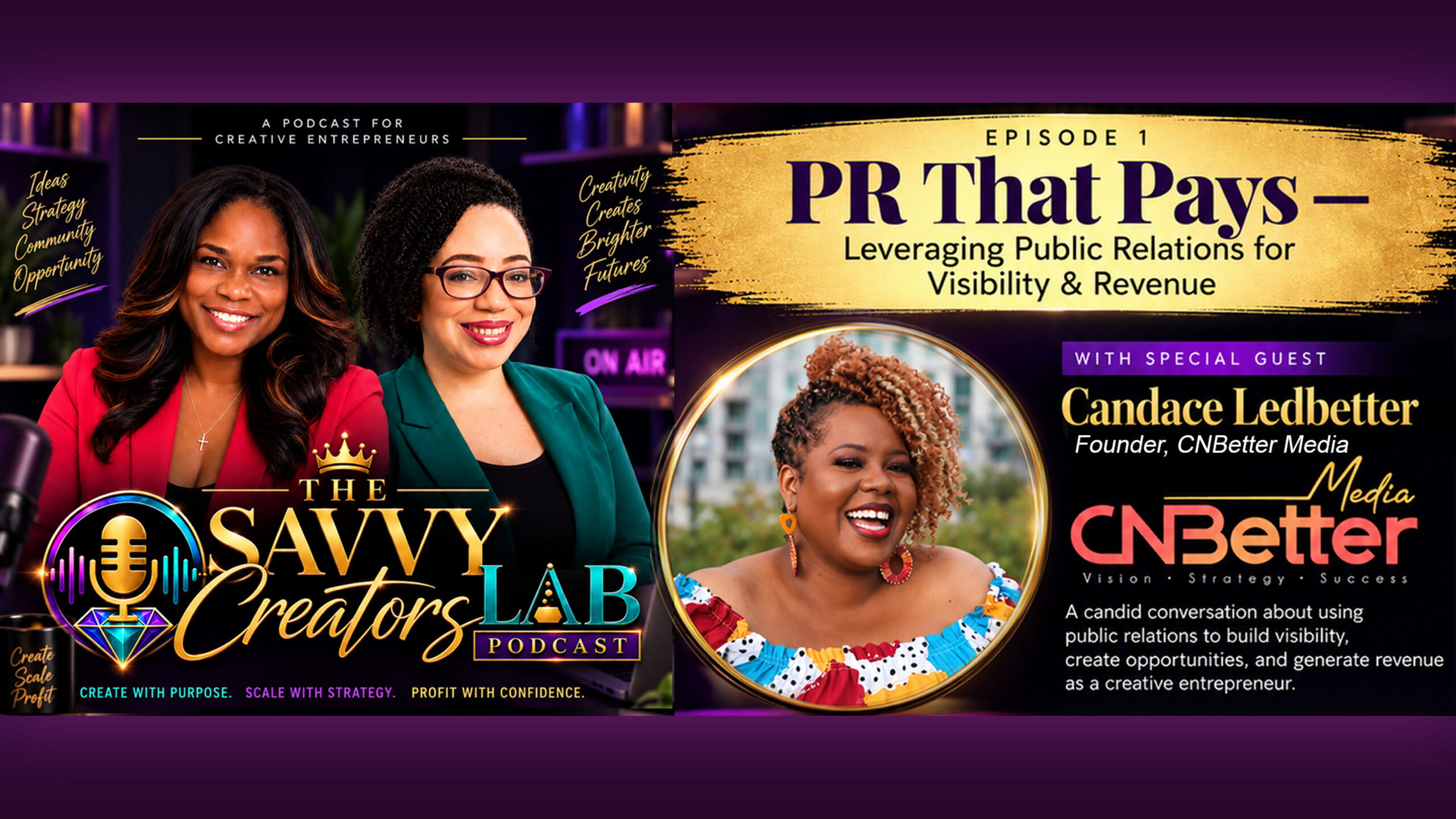
PR That Pays: How Creative Entrepreneurs Can Turn Visibility Into Revenue
https://www.youtube.com/watch?v=zvcFdSqbGyI Being talented is one thing. Getting noticed for that…